Camera inspection
Locate a suspected defect and understand what the footage does, and does not, tell you about the line.
What an inspection should explain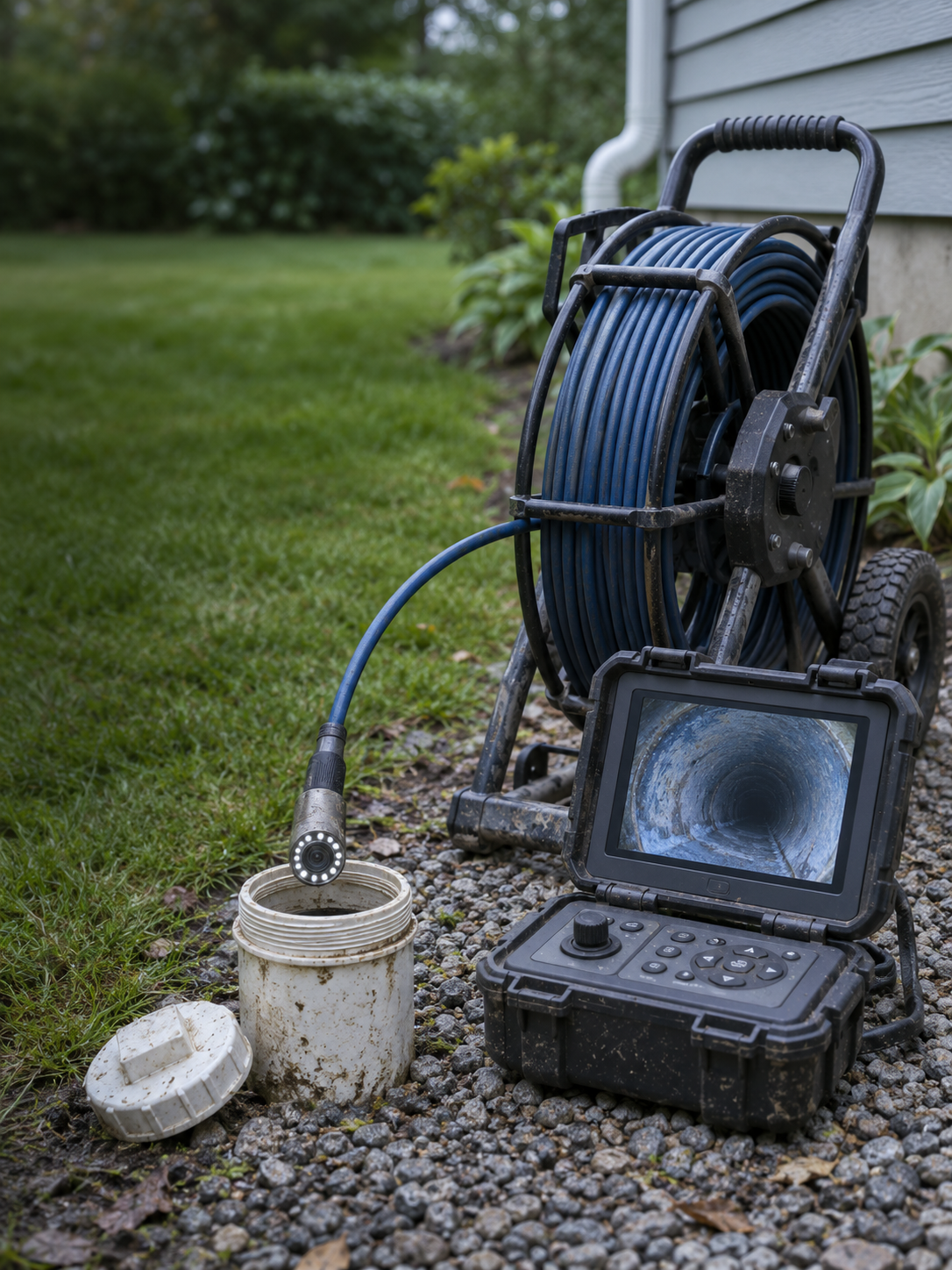
Recurring backups. Root damage. Broken pipes.
Residential sewer repair and replacement.
Enquiries are not yet open.
When a sewer backs up again after it has been cleared, the obstruction may be a symptom of something deeper. Roots, a damaged joint or a broken section can leave you dealing with the same problem repeatedly.
This site focuses on residential sewer-line repair in Lynchburg, not every plumbing job under the sun. Start with the symptoms, understand what a camera inspection can reveal, then compare the repair options that fit the actual condition of the pipe.
The right questions help separate a simple blockage from a problem with the line itself.
Several drains affected, sewage returning after clearing, or a problem that never stays fixed.
02Understand the difference between removing an obstruction and repairing the opening behind it.
03A cracked, displaced or collapsed section needs a plan based on its actual condition.
Sewer problems rarely arrive with a clear diagnosis. These are the situations to describe when arranging a residential sewer-line assessment in Lynchburg.
A toilet bubbling when the washing machine empties, a shower filling while a nearby toilet is flushed, or wastewater appearing at the lowest drain can point to a restriction in a shared drain or sewer line. Compare which fixtures are affected. One slow bathroom sink is a different starting point from several fixtures backing up across the house.
Describe the sequence rather than trying to name the fault: which fixture was running, where water appeared, and whether it happened once or repeatedly. A contractor can use that pattern to decide where to inspect. A gurgling sound alone does not prove a collapsed sewer or justify replacing the entire lateral.
If wastewater is entering the home, stop using connected plumbing fixtures, keep people and pets away from contaminated areas, and seek professional help. Do not keep flushing to test the blockage. Our recurring sewer backup guide explains the difference between immediate symptoms and the cause behind them.
A line that drains after clearing but blocks again a few days or weeks later needs more than another assumption. Clearing may have opened a path through roots or deposits without resolving the condition that allows the obstruction to return. A damaged joint, displaced pipe or low section can also leave material collecting in the same place.
Keep the previous clearing invoice and ask what was found, how far the equipment reached, and whether the line was inspected afterwards. The next useful step may be a recorded sewer camera inspection, not automatic replacement. Footage should identify the reason for a recommended repair and show which section is affected.
A successful clearing and a permanent structural repair are different outcomes. Ask the contractor to explain which outcome the proposed work is intended to achieve, what remains in the line, and what further investigation is needed if the camera cannot pass.
Roots can enter through openings in a sewer line and catch material moving through the pipe. Cutting roots can restore flow, but it does not necessarily seal the entry point. The useful question is not only whether roots are present, but how they entered and what condition the surrounding pipe is in.
Do not assume a tree near the house is responsible without inspection evidence. Ask to see the location and extent of the intrusion, whether there are separate defects further along the line, and whether the recommendation addresses the opening as well as the obstruction.
The root-damaged sewer line guide covers clearing, repair and replacement decisions. A localised defect may call for a different scope than roots affecting numerous deteriorated joints. No single method is right for every pipe.
A crack, a joint that no longer lines up, and a collapsed section are not interchangeable findings. An offset can obstruct equipment and collect debris; a collapse can prevent an inspection from reaching the rest of the line. Ask what has been observed and what is still unknown before agreeing to the scope.
A spot repair may be considered when a specific defect can be reached and the remaining line is serviceable. Extensive deterioration, several failed sections or an unsuitable route may make a larger replacement the more appropriate option. The choice should follow the inspection and site assessment, not the age of the house alone.
Compare sewer repair versus replacement with the proposed written scope. The estimate should identify the start and end of the work and explain whether additional defects could change the plan.
An unexplained sewage smell or damp patch deserves investigation, but neither symptom identifies an underground sewer leak by itself. Odours can have plumbing or ventilation causes, while water on the ground can come from drainage, a water supply leak or weather conditions. Avoid paying for sewer replacement on appearance alone.
Note when the smell or wet patch appears, whether it follows household water use, and whether drains are also backing up. Share photographs taken from a safe distance. Do not dig to find the pipe or open a backed-up cleanout: contaminated water can be released.
An assessment can determine whether the sewer needs inspecting or a different system needs attention. Keep the scope focused on the confirmed cause rather than bundling unrelated plumbing work into a sewer repair quote.
If backups coincide with rain, record that timing and tell both the utility and contractor. Weather-related symptoms can involve more than the private lateral, so do not treat rainfall as proof that your own pipe needs replacing. A check of the public sewer and an assessment of the private line answer different questions.
If you are buying a Lynchburg home, ask whether the general home inspection includes the underground sewer lateral. Do not assume it does. Existing repair invoices, camera footage and a clear explanation of any unresolved defect can help you understand potential work before committing to a repair.
For a property you already own, save inspection videos and completion records together. They make it easier to compare a new problem with the previous findings and to ask a contractor what has actually changed.
From a difficult-to-access yard to a pipe beneath a driveway, the property matters as much as the symptom. A contractor needs to assess the route, depth and condition before recommending work.
Our intended focus is residential properties within Lynchburg. Nearby towns are not automatically included. Local service availability and a referral partner must be confirmed before enquiries open.
Lynchburg Water Resources advises customers with a sewer backup to contact the department first so it can investigate. Its City-Approved Sewer Cleanout programme affects how a lateral problem is handled. Confirm the arrangement at your address before authorising private work.
Read the City’s sewer backup and cleanout guidance. This independent site is not affiliated with Lynchburg Water Resources.
This guide concerns homes connected to a public sewer. Septic systems need a different assessment. A Lynchburg mailing address alone should not be used to assume utility jurisdiction, a particular pipe material or a specific repair requirement.
No. A blockage can occur without structural damage, and an isolated fixture can have a separate drain problem. Recurring or multiple-fixture symptoms are a reason to seek a diagnosis, not proof that the entire sewer needs replacing.
Sometimes. Trenchless methods require suitable conditions and usually still need access points. Collapsed pipe, alignment issues or other constraints can make excavation necessary. Compare the methods.
The scope, depth, length, access and surface restoration all matter. A reliable quote follows an assessment. We do not currently offer contractor pricing. See what an estimate should include.
Responsibility depends on the line segment and applicable local rules. Confirm the limits with the relevant Lynchburg utility authority and your contractor before approving work. Do not assume city coverage or insurance reimbursement.
Not yet. This is a private design preview. A qualified local provider and contact route must be confirmed before the referral service opens. The assessment button currently opens this launch-status information, not a booking form.
Stop using the affected plumbing and avoid adding more wastewater. Keep away from contaminated water and seek professional assistance. This preview does not provide emergency response.
It may remove an obstruction and restore flow, but it does not necessarily close the opening where roots entered. Ask for inspection evidence and an explanation of whether a structural repair is needed.
No. A single fixture can have a local drain problem. Several affected fixtures or repeated backups warrant investigation, but symptoms alone do not establish the required repair.
Only assume what the written agreement includes. Ask who restores soil, landscaping, concrete or asphalt, and whether settling, finish matching and follow-up work are covered.
Yes. Compare the same line section, method, access work, inspection, restoration and exclusions. A lower price for a shorter or incomplete scope is not a like-for-like saving.
Lynchburg residential sewer-line enquiries open after launch.